
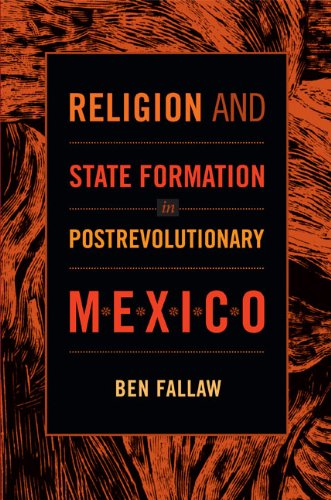
Religion and State Formation in Postrevolutionary Mexico
Product details
| Management number | 232005869 | Release Date | 2026/06/18 | List Price | $13.78 | Model Number | 232005869 | ||
|---|---|---|---|---|---|---|---|---|---|
| Category | |||||||||
The religion question—the place of the Church in a Catholic country after an anticlerical revolution—profoundly shaped the process of state formation in Mexico. From the end of the Cristero War in 1929 until Manuel Ávila Camacho assumed the presidency in late 1940 and declared his faith, Mexico's unresolved religious conflict roiled regional politics, impeded federal schooling, undermined agrarian reform, and flared into sporadic violence, ultimately frustrating the secular vision shared by Plutarco Elías Calles and Lázaro Cárdenas.Ben Fallaw argues that previous scholarship has not appreciated the pervasive influence of Catholics and Catholicism on postrevolutionary state formation. By delving into the history of four understudied Mexican states, he is able to show that religion swayed regional politics not just in states such as Guanajuato, in Mexico's central-west "Rosary Belt," but even in those considered much less observant, including Campeche, Guerrero, and Hidalgo. Religion and State Formation in Postrevolutionary Mexico reshapes our understanding of agrarian reform, federal schooling, revolutionary anticlericalism, elections, the Segunda (a second Cristero War in the 1930s), and indigenism, the Revolution's valorization of the Mesoamerican past as the font of national identity. Read more
| ASIN | B00CJRI2YS |
|---|---|
| XRay | Not Enabled |
| ISBN13 | 978-0822395713 |
| Language | English |
| File size | 842 KB |
| Page Flip | Enabled |
| Publisher | Duke University Press Books |
| Word Wise | Not Enabled |
| Print length | 350 pages |
| Accessibility | Learn more |
| Screen Reader | Supported |
| Publication date | January 21, 2013 |
| Enhanced typesetting | Enabled |
Bestseller ranking
Protective Equipment
Customers who viewed this product also viewed
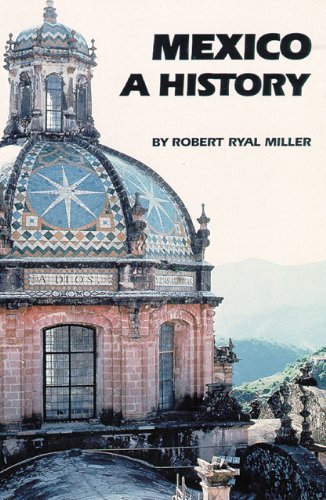
Mexico


Correction of product information
If you notice any omissions or errors in the product information on this page, please use the correction request form below.
Correction Request Form